
Project Authenticity 2.0
The audit methodology for closing the Visual Credibility Gap in corporate annual and sustainability reports
Your annual report makes specific claims. Your imagery does not support them.
Stock photographs of workers who do not work for you. Handshakes between people who have never met. Landscapes with no connection to your operations.
ESG commitments accompanied by imagery that proves nothing.
This is the Visual Credibility Gap. It is measurable, it has a cost, and most boards have not yet quantified it.
In an era of mandatory disclosure under CSDS 1 and 2 and IFRS S1 and S2, visual inauthenticity is no longer an aesthetic problem.
It is a disclosure integrity issue.
Are the images genuine to your operations, your people, and your locations — or could they belong to any organisation in any sector?
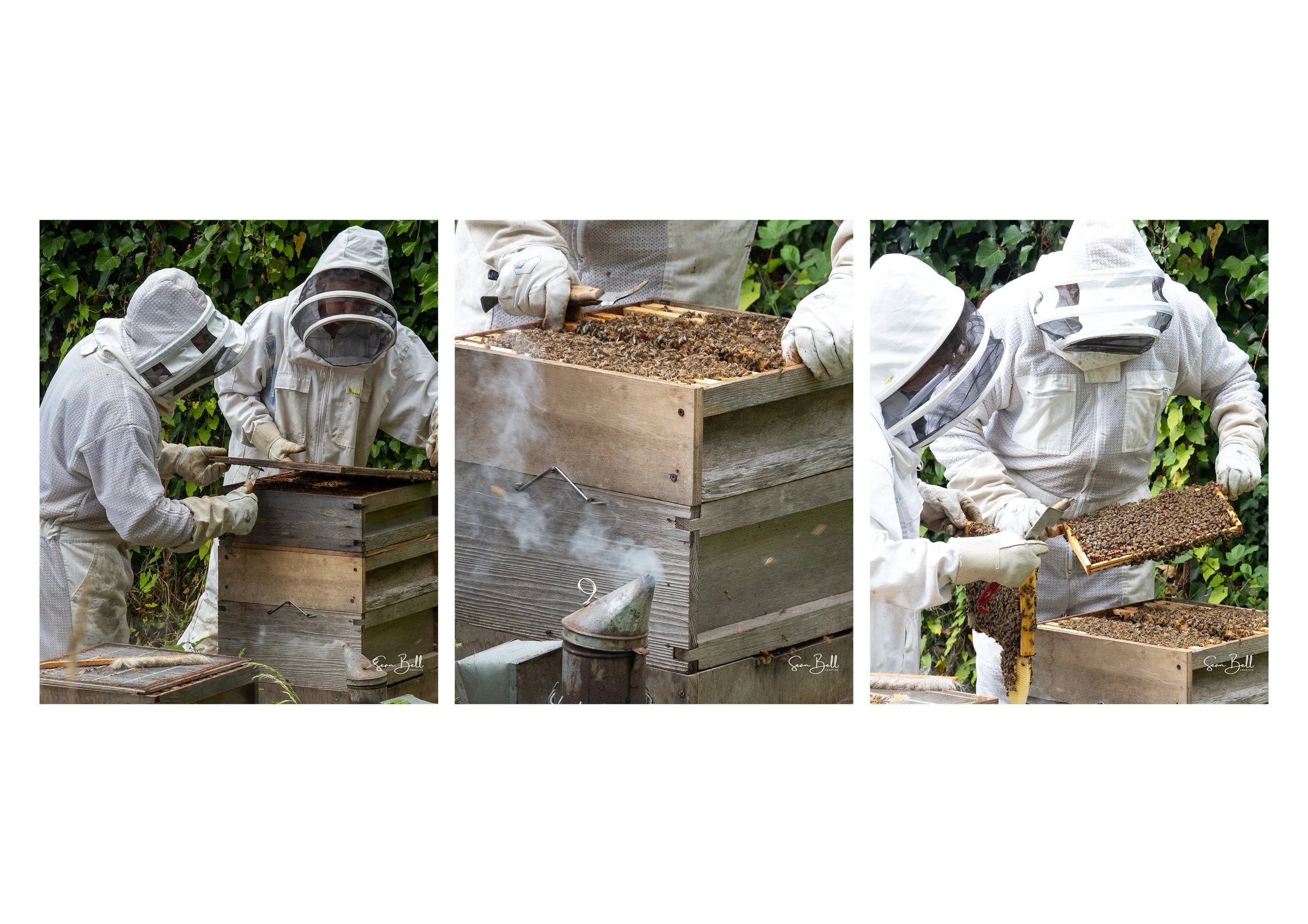
Does the imagery constitute documentary evidence? Indexed photography proves something happened. Stock photography proves nothing.
Does the imagery support the written claims in your report? Where the text is specific and the imagery is generic, the gap is visible to any informed reader.
Does the imagery show work being done, decisions being made, projects being delivered — or does it show people posing for the camera?
Does the imagery reflect genuine human experience within your organisation, or does it reproduce the generic emotional register of stock libraries?
Does the imagery accurately reflect your workforce — its diversity, its roles, and its reality — or does it present an aspirational fiction?
Most organisations brief a consultant, then brief a photographer separately. The findings travel between them and something is always lost in translation.
That handover does not happen here.
The practitioner who audits the report is the same practitioner who designs and executes the corrective programme. No briefing loss. No gap between diagnostic and delivery.
The White Paper Series
Four papers constitute the first structured case for treating corporate photography as a disclosure integrity issue rather than a design decision. Available on request.
Paper 1 — Visual Lorem Ipsum: How the Indexical Void is Eroding Stakeholder Trust
Paper 2 — The Visual Credibility Gap: Why Organisations Are Undermining Their Own Narratives
Paper 3 — Labour Representation in Corporate Photography: What Your Report Is Really Saying
Paper 4 — Stock Imagery and Stakeholder Trust: The Hidden Cost of Visual Inauthenticity
To request a paper, contact Sean directly. seanbell@seanbellcreative.com
If you are not certain whether your report has a Visual Credibility Gap, the audit will tell you. If you already suspect it does, the audit will quantify it.
A preliminary conversation costs nothing. Get in touch to discuss your current report.