
From One-off to Narrative
Why ESG reports need photo essays, not single images
For years, corporate reporting has relied on what I call the “hero image and filler” approach.
One big image up front.
A few random images scattered through the PDF.
A drone image if someone remembered.
It’s a decorating exercise, not a storytelling exercise.
If you want your ESG reporting to resonate, you need narrative photography. As an ESG Leader you want to showcase your work not have it diluted.
1. Narrative gives your report a backbone
When visuals follow a sequence, the whole story holds together.
Stakeholders feel like they’re being taken somewhere rather than flicking through unrelated snapshots.
2. Sequence creates clarity
Safety, innovation, community impact, environmental stewardship.
These are not abstract themes when you show the process behind them.
Show how something works, not just that it exists.
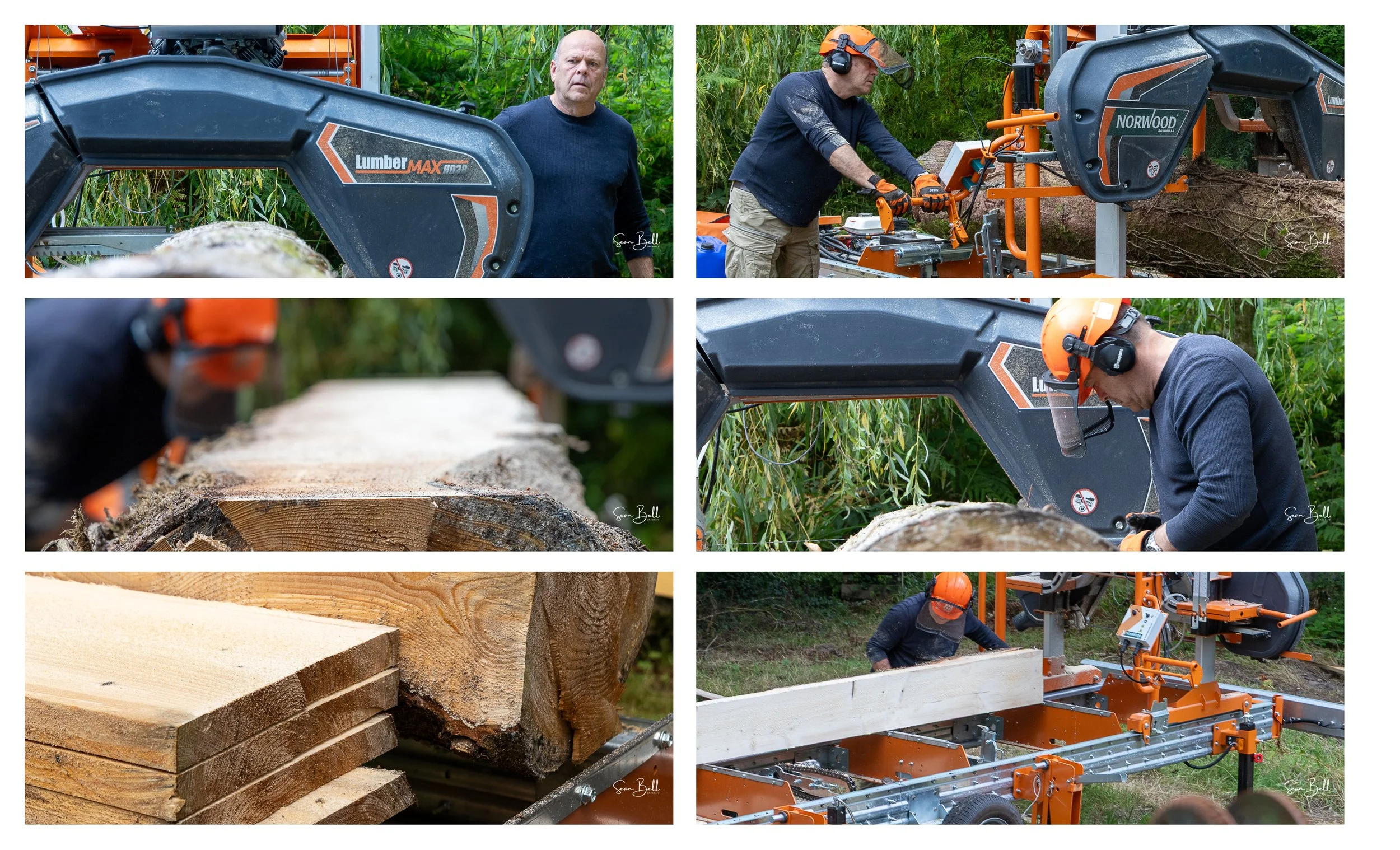
3. Narrative builds trust
One good image could be luck.
Six good images showing a clear workflow look real. They communicate competence.
4. Photo essays make reports readable
Whether stakeholders admit it or not, visuals guide their attention.
If visuals are strong, they stay with you.
If not, they skim.
How to start
Build your narrative around three layers:
• Wide (context and environment)
• Medium (process and interaction)
• Tight (details and impact)
You can tell a complete story in six to ten frames.
CTA
If you want help designing a visual narrative or integrating a photo essay into your next report, I can support you from planning to production.
